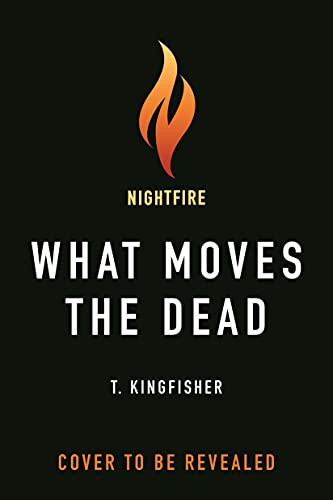
What Moves the Dead: Poe Reimagined with Fungal Horror
T. Kingfisher brings her trademark wit to gothic horror, creating a Poe retelling that's both faithful and delightfully twisted.
T. Kingfisher (the horror pen name of Ursula Vernon) has built a reputation for Gothic horror that balances genuine dread with wry humor. What Moves the Dead is perhaps her most focused work—a novella-length retelling of Poe's "The Fall of the House of Usher" that asks: what if there were a scientific explanation for the Usher curse? And what if that explanation were worse than any supernatural threat?
The answer involves fungi. Specifically, the kind of parasitic organism that can hijack a host's nervous system, that can make dead things move. If you've ever read about cordyceps or ophiocordyceps, you know the territory—but Kingfisher pushes the implications further than any nature documentary dares.
Alex Easton is an engaging narrator: a retired soldier from a fictional country with a non-binary third gender, practical and observant and increasingly horrified by what they discover. The supporting cast—including an American mycologist who provides crucial scientific context—are well-drawn types who serve the story efficiently.
At under 200 pages, What Moves the Dead is a quick read, but it lingers. The final revelation about Madeline and what moves her is genuinely disturbing. Kingfisher has found a way to make Poe's Gothic excess feel grounded and scientific—which somehow makes it worse.
Pros
- + Clever scientific explanation for Gothic horror
- + Engaging non-binary protagonist
- + Quick, propulsive read
Cons
- - Short length limits depth
Verdict
A smart, scary novella that proves Poe's classics can still yield fresh nightmares.