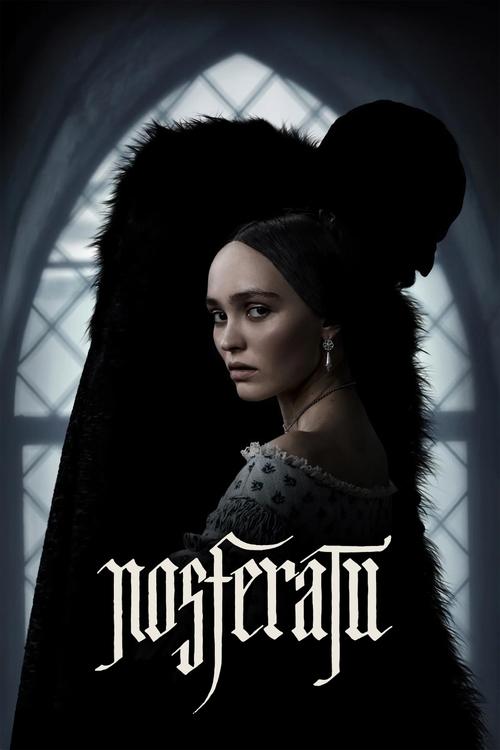
Nosferatu: A Masterwork of Gothic Horror Reborn
Robert Eggers delivers the definitive vampire film of the modern era—stunning, terrifying, and profoundly unsettling.
Robert Eggers has been building toward Nosferatu his entire career. From his high school theater production of the 1922 classic to his acclaimed films The Witch and The Lighthouse, every frame has been preparing him for this moment. And what a moment it is. Eggers' Nosferatu is not merely a remake—it's a full-blooded resurrection that injects new terror into an ancient tale.
Bill Skarsgård disappears entirely beneath layers of prosthetics and a voice that seems dredged from the deepest pit of hell. His Count Orlok is repulsive in ways the genre rarely dares—a rotting corpse animated by unholy desire. This is no sexy vampire—this is plague given form.
Lily-Rose Depp commits fully to Ellen's torment, her body contorting in scenes of possession that recall classic supernatural horror. The film's gothic atmosphere is intoxicating, with Jarin Blaschke's cinematography rendering 19th-century Germany in candlelit amber and shadow-drenched blues.
At $181 million worldwide, audiences have spoken: gothic horror done right still has massive appeal. This is the definitive vampire film of our era.
Pros
- + Bill Skarsgård's transformative performance
- + Stunning period-accurate production design
- + Breathtaking cinematography
Cons
- - Deliberate pacing may test some viewers
- - Familiar story beats for vampire aficionados
Verdict
A triumph of gothic horror filmmaking that will haunt audiences for decades.