
Daughters of the house
by Alison Milbank
Description
Daughters of the House radically revises critical assumptions about the Victorian woman's relation to the house, through new readings of novels by Wilkie Collins, Dickens, Charlotte Bronte and Sheridan Le Fanu. Tracing their various transformations of eighteenth-century Gothic, the book discovers a revision of gender power relations in works such as Bleak House, in which Dickens embraces a program of the redemption of public action by women. Le Fanu and Bronte are shown to merge the Gothic with an apocalyptic critique of society, involving a paradoxically simultaneous expansion of and yet breaking out from private domestic space. In Le Fanu's version woman becomes angel beyond the confines of a debased patriarchal order. It is argued that this "female" Gothic thematic includes a genuine emancipatory dimension whereas, against most current feminist readings, this is denied to Wilkie Collins's deployment of the "sensation heroine". His fiction is controversially read in terms of the release of women into the market as commodities, in order for them to be returned to a sexualized domestic enclosure. The book ends by aligning the Gothic heroine's project to contemporary debates in French feminism, and in particular to the work of Luce Irigaray.
Similar Books
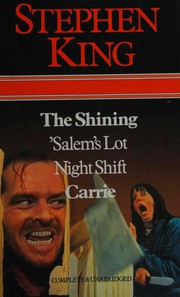
Works (Carrie / Night Shift / 'Salem's Lot / Shining)
by Stephen King

The Raven
by Edgar Allan Poe

The Shining
by Stephen King

The Stand
by Stephen King

The Picture of Dorian Gray
by Oscar Wilde
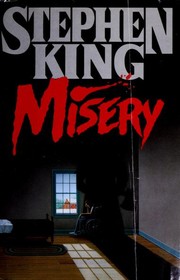
Misery
by Stephen King
Community reviews
Write a ReviewNo community reviews yet. Be the first to share your thoughts!